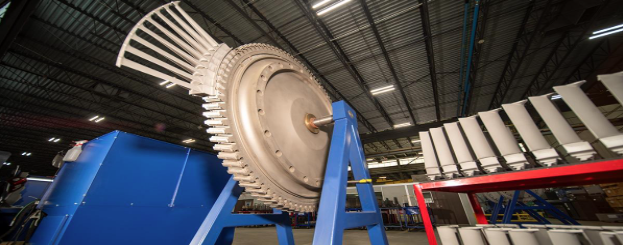
The condition of gas turbine blades affects power systems’ efficiency and safety. They are under a great deal of operating stress. Combustion inspection strategies or techniques must be used to identify irregularities and stop system problems.
A variety of examination methods guarantees the integrity and functionality of these vital parts.
Non-destructive tests are used to identify even the tiniest flaws. These might become serious problems if neglected.
Some techniques are renowned for their precision and reliability. These maintain the best possible condition for combustion. The continuous operation of the power systems is guaranteed by professionals.
Inspections range from straightforward eye evaluations to intricate technical processes. Procedures for inspecting combustion are essential to preventative maintenance.
A turbine blade blending, for instance, safeguards the whole power production system. In addition to ensuring the longevity of the component. The industry is now better equipped to handle repair issues. That’s because of continuous advancements in technology.
Recognizing Gas Turbine Blades’ Crucial Function in Power Generation
The meticulous maintenance and inspection of combustion engines is essential to the electricity and aviation sectors. These engines are essential for generating electricity and moving airplanes.
Its integrity is critical since it affects the engine’s longevity, efficiency, and safety. Because these components are constantly under heat stress. A thorough examination is necessary to identify any defects early.
The blades in gas engines have a variety of roles, which highlights their susceptibility to wear. As a result, maintenance and inspection procedures become crucial. To find any flaws that might affect performance or jeopardize safety. A variety of checkup approaches are employed.
- Integrity’s Importance for Operational Safety
For a gas combustion engine to operate safely, integrity is essential. Fast rotation and extreme heat can cause even little flaws to proliferate.
This emphasizes how important routine maintenance and inspections are. These initiatives guarantee that it follows stringent safety regulations and fights heat stress.
- Repercussions of Failures
Operational disruptions are not the only consequences of failing combustion. They may result in catastrophic failures that seriously harm the engine and endanger human life – read from https://blog.ucs.org/elliott-negin/ask-a-scientist-gas-plants-disproportionately-harm-marginalized-communities/ to learn more. This emphasizes how important inspections are as a crucial catastrophe defense, going well beyond periodic checkups.
- Factors Affecting Damage and Wear
The components endure challenging circumstances when their integrity is threatened by corrosion, erosion, and heat stress. Finding flaws brought on by these forces demonstrates how sophisticated contemporary inspection methods are.
From surface damage to concealed interior defects, inspectors search for a variety of issues. The longevity and security are guaranteed by these maintenance procedures.
An Overview of the Inspection Methods
- Strict examination and maintenance procedures are necessary to keep gas turbines operating effectively. Among them, assessment techniques are crucial for identifying problems that might lead to system failures.
The techniques have evolved throughout time, encompassing a wide variety of non-destructive testing, or NDT. This expansion highlights their crucial role in a thorough examination procedure.
- One of the most important NDT techniques for a rotor is visual examination. Finding wear, erosion, and obvious defects is the main emphasis of this simple initial stage in the inspection ladder.
Techniques like dye penetrant analysis go beyond surface examination. They shine at revealing surface fissures that are not visible to the human eye.
Thorough examination methods are the cornerstone of longevity and dependability. Thus, reducing risks and guaranteeing peak performance.
- Eddy current testing is also used in turbine blade NDT techniques. It makes use of electromagnetic fields to find defects in conductive materials. You may click here to read further.
By using high-frequency sound waves, ultrasonic testing also enters the fray. Without further damaging the structure, these waves aid in identifying flaws in the material.
- Know that revealing problems like empty areas or alien objects that would normally go unnoticed. Radiographic procedures provide a glimpse into the interior tier.
Combining different examination methods ensures a thorough maintenance plan. This tactic is essential for smooth power generation.
In conclusion, careful maintenance and inspection are crucial to the longevity of rotors. Technicians successfully detect a variety of flaws by combining visual evaluations with cutting-edge NDT practices. This guarantees the robust, continuous operation of electricity systems.
The Crucial Aspect of Non-Destructive Testing
When it comes to examining turbine blades, Non-Destructive Testing is crucial. It guarantees the safe and optimum operation of rotors in a variety of industries.
For technicians or engineers, NDT procedures are essential. They make it possible to thoroughly inspect blades without endangering anyone.
Vital NDT Methods
The capacity of ultrasonic testing to thoroughly penetrate materials is noteworthy. This method precisely reveals hidden underlying flaws.
Surface fractures are best shown by dye penetrant testing, which is renowned for its simple application. This whole package is completed with modern radiography and testing techniques. When combined, they help engineers find defects and maintain the caliber of inspections.
Benefits of Using NDT
Compared to conventional testing, NDT provides several advantages. They reduce downtime by doing away with the requirement to disassemble rotors.
Checkups can be completed more completely and often by inspectors. These practices make early fault identification more practical.
All of this lowers the possibility of unplanned malfunctions. This guarantees that rotors continue to operate at a high level.